The Two-Peak Pattern
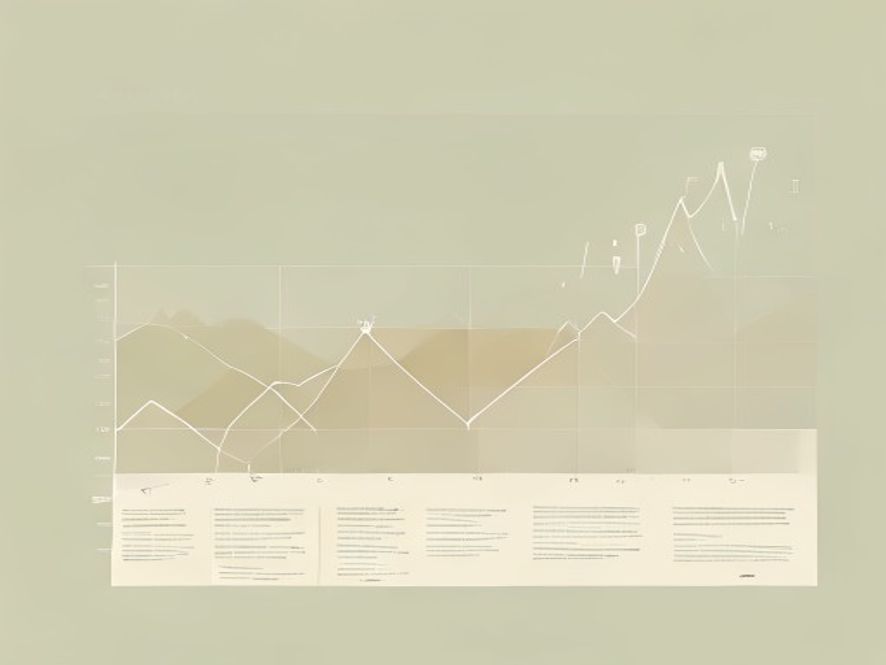
Many people experience two peaks of alertness: one in late morning (9–11am) and another in late afternoon (4–6pm), with a natural dip around 1–3pm post-lunch.
Explore the fundamentals of how your body manages energy throughout the day and how understanding these patterns helps you optimise without fighting your natural biology.
Every human has an internal 24-hour cycle—the circadian rhythm—that influences alertness, appetite, body temperature, and hormone release. This rhythm is not one-size-fits-all; it's shaped by age, genetics, season, and lifestyle.
Rather than fighting this rhythm, sustainable energy strategies work with it. When you recognise your personal rhythm, you can schedule demanding work during your natural peak hours and place recovery activities during natural dips.
This is educational context. If you have a diagnosed sleep or energy disorder, consult your healthcare provider. This information does not replace medical diagnosis or treatment.
These are general observations from lifestyle research. Your personal pattern may differ significantly.
Many people experience two peaks of alertness: one in late morning (9–11am) and another in late afternoon (4–6pm), with a natural dip around 1–3pm post-lunch.
You might be a "morning person" with natural early peaks, an "evening person" with later peaks, or somewhere in between. Chronotype is partly genetic and shifts with age.
Daylight exposure influences energy. Winter often brings lower afternoon energy; summer may shift your rhythm earlier. Light, movement, and meals help regulate these shifts.
Sleep quality, stress, nutrition, exercise, temperature, and social rhythm all influence daily energy. No single factor determines your pattern alone.
To optimise your energy, start by observing: When do you naturally feel most alert? When do you hit a wall? When does your body signal hunger, fatigue, or restlessness?
Track these observations over 1–2 weeks without trying to change anything. You'll likely notice patterns. Once you see your rhythm, you can experiment with small shifts: moving demanding tasks to peak hours, adding a light walk during afternoon dips, or adjusting meal timing.
This is self-directed coaching. There's no right answer—only your answer.
| Factor | Impact on Energy | How to Optimise |
|---|---|---|
| Sleep | Foundation. 7–9 hours typically supports steady daytime energy. | Consistent wake time, dark room, cool temperature, wind-down routine. |
| Hydration | Dehydration reduces alertness within hours of fluid loss. | Sip water regularly, especially upon waking and midday. |
| Meal Timing | Fasting sharpens focus; large meals can cause post-lunch dips. | Balanced meals, adequate protein, consider meal size and timing around peak hours. |
| Light Exposure | Morning light resets circadian rhythm; evening light delays sleep. | Outdoor time early in day; dim light 1–2 hours before bed. |
| Movement | Physical activity increases alertness and mood; improves sleep quality. | 20–30 min of light to moderate activity daily; timing based on your rhythm. |
| Stress & Breathing | Chronic stress depletes energy; rapid breathing triggers fatigue. | Intentional pauses, breathing practices, boundary-setting around work. |
| Social Connection | Meaningful interaction energises; isolation can drain. | Scheduled social time, even brief; working near others (coworking, cafés). |
| Novelty & Engagement | Interesting tasks sustain focus; boredom depletes energy. | Match task difficulty to time of day; include variety in your day. |
These are general educational guidelines. Individual responses vary. Track your own experience to see what applies to you.
Many people blame themselves for "low energy," treating it as a character flaw. The reality: energy is a physical, measurable phenomenon shaped by sleep, nutrition, stress, and environment—not moral strength.
Sustainable energy comes from aligning your activities with your biology, not forcing yourself against your rhythm. Rest is productive. Pauses are essential. Small, realistic changes compound.